Midori House
London
2026
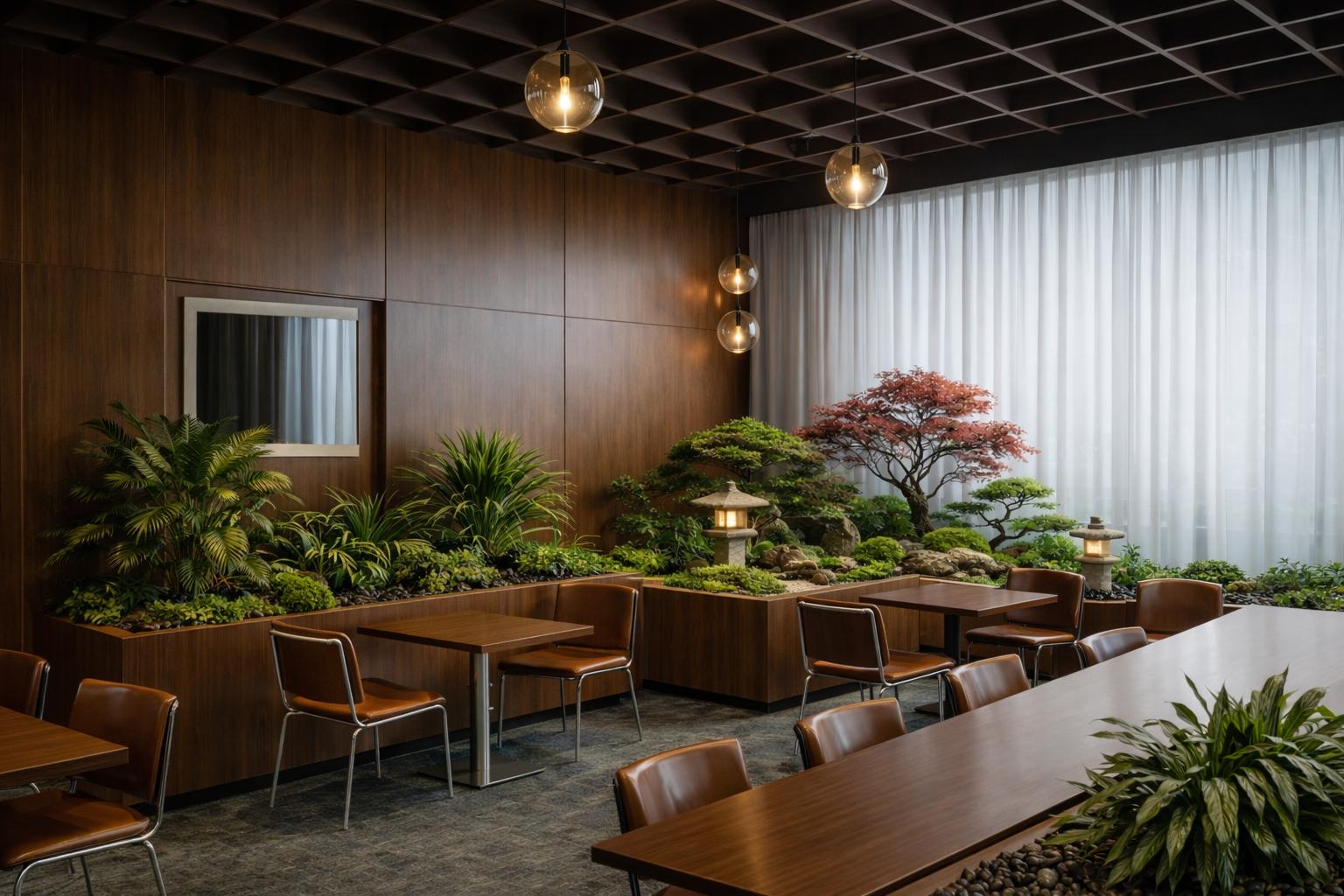
Midori House is conceived as a study in balance, where restraint and warmth converge through a refined material language and a quietly layered spatial experience.
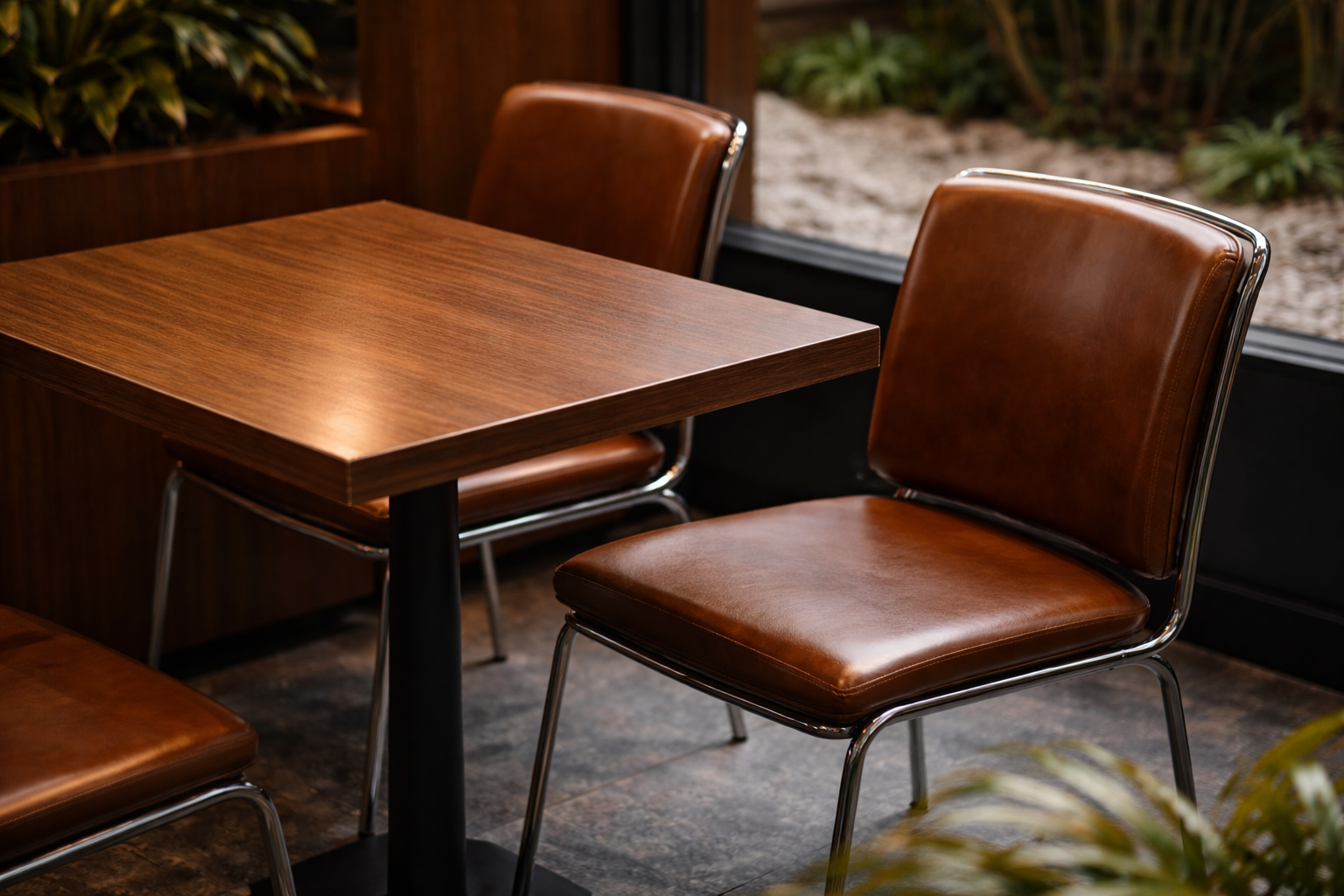
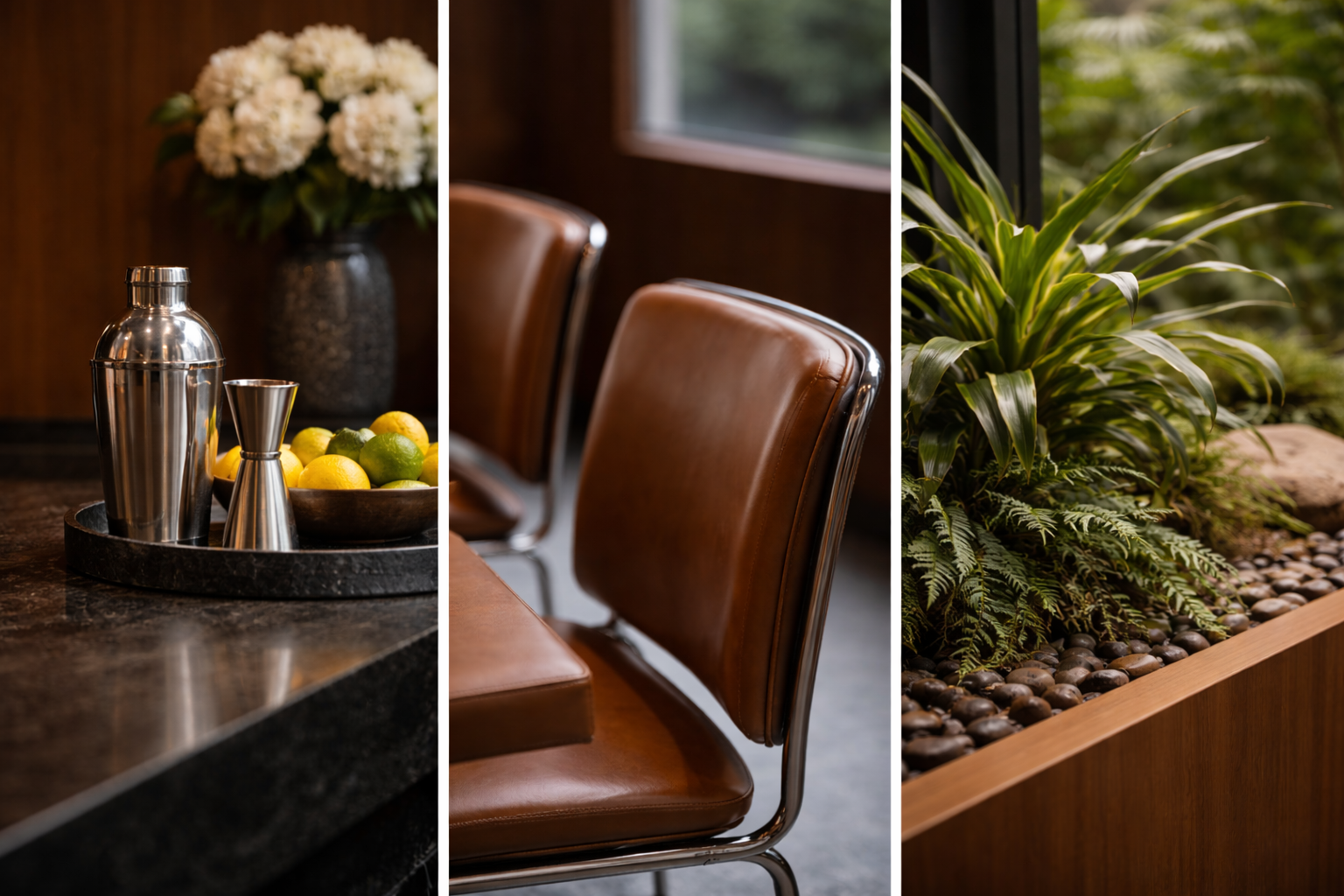
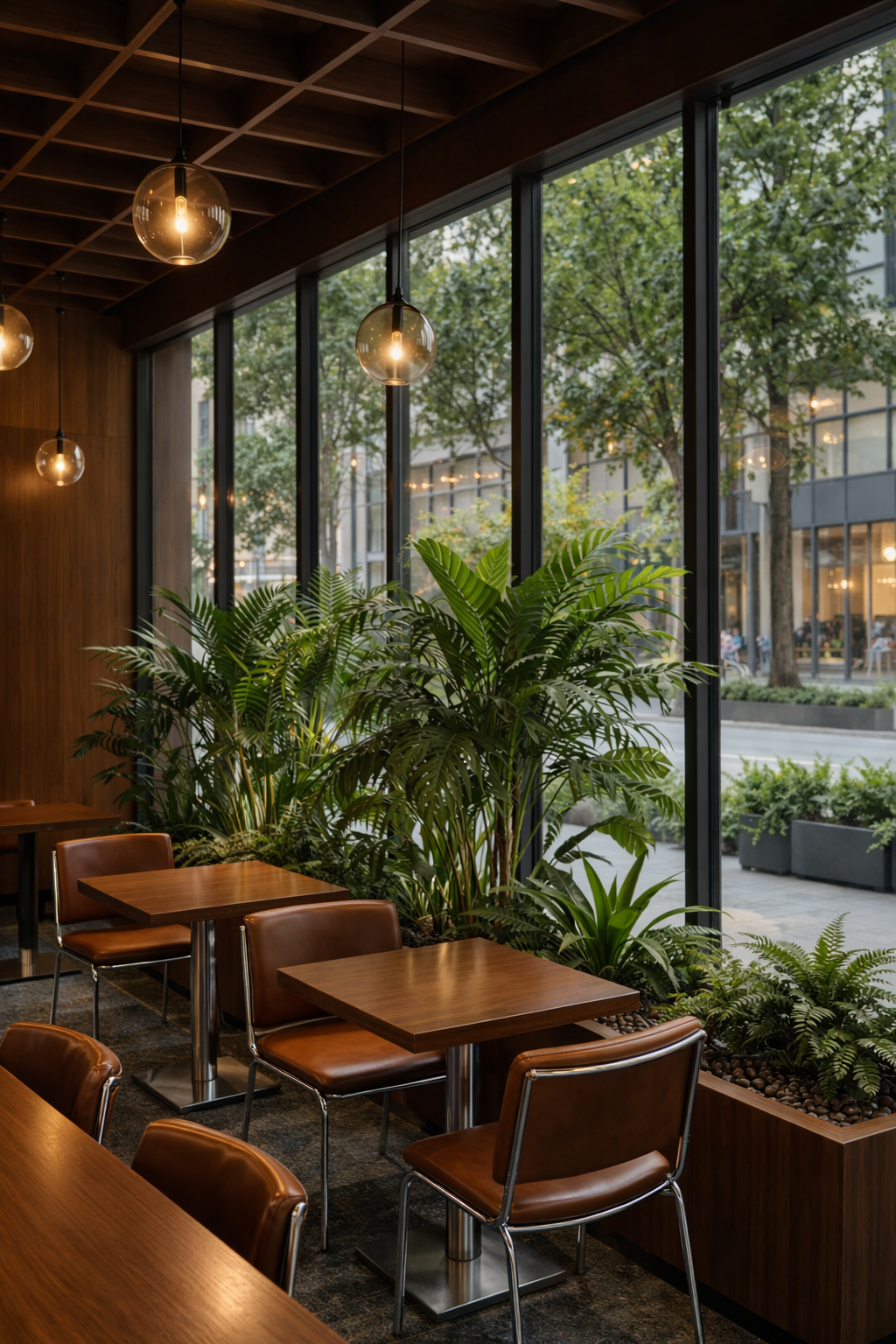
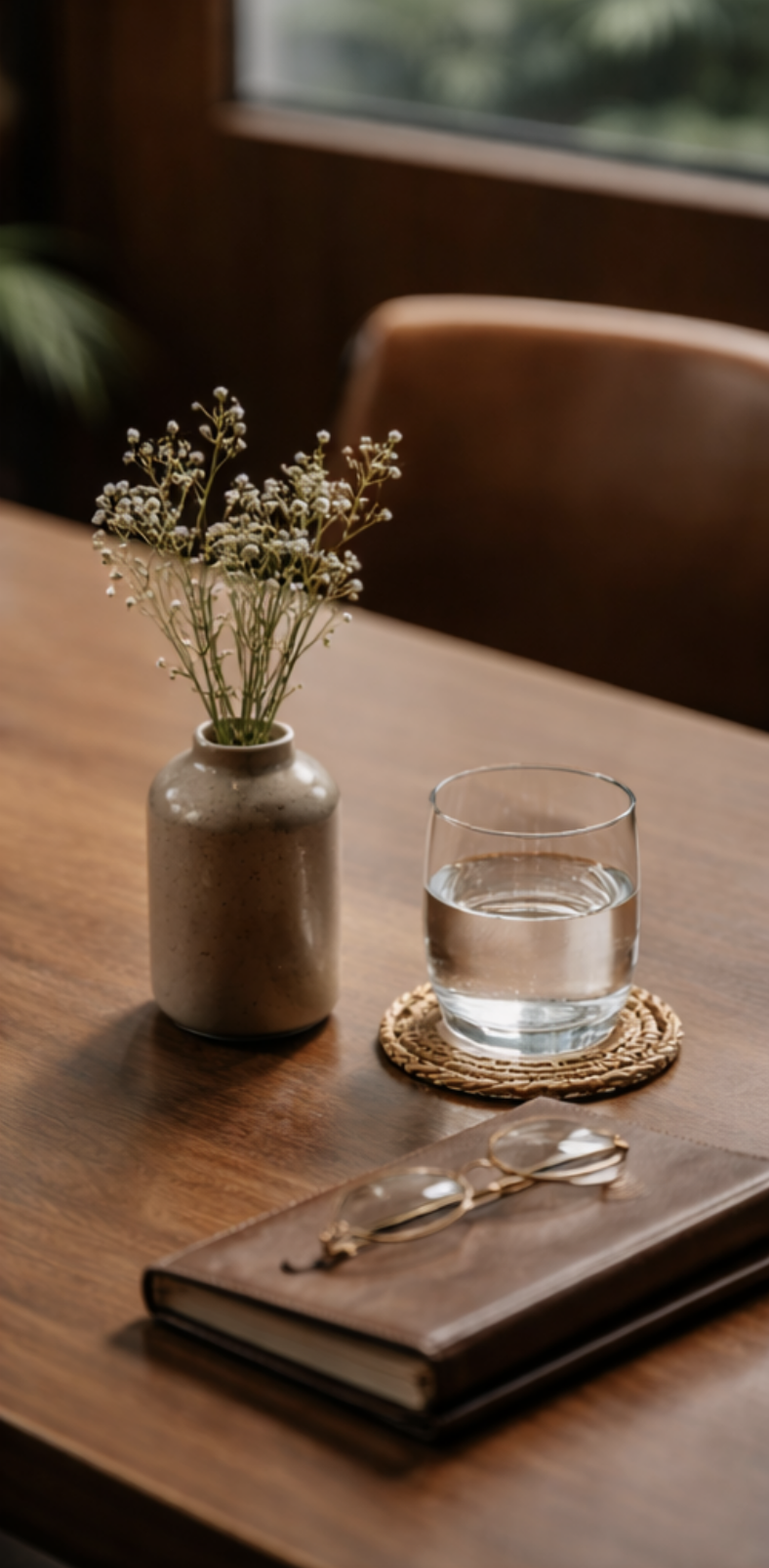
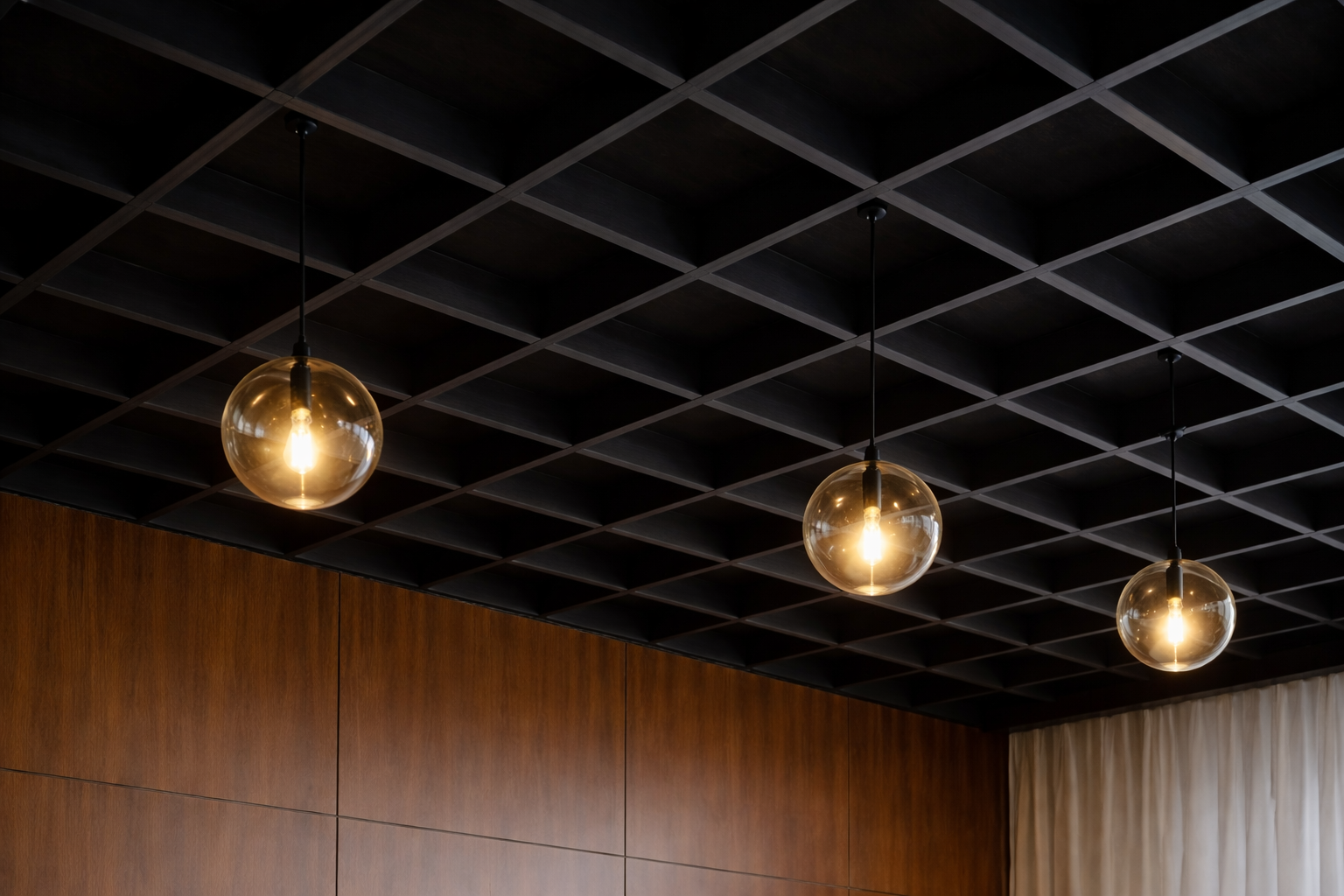
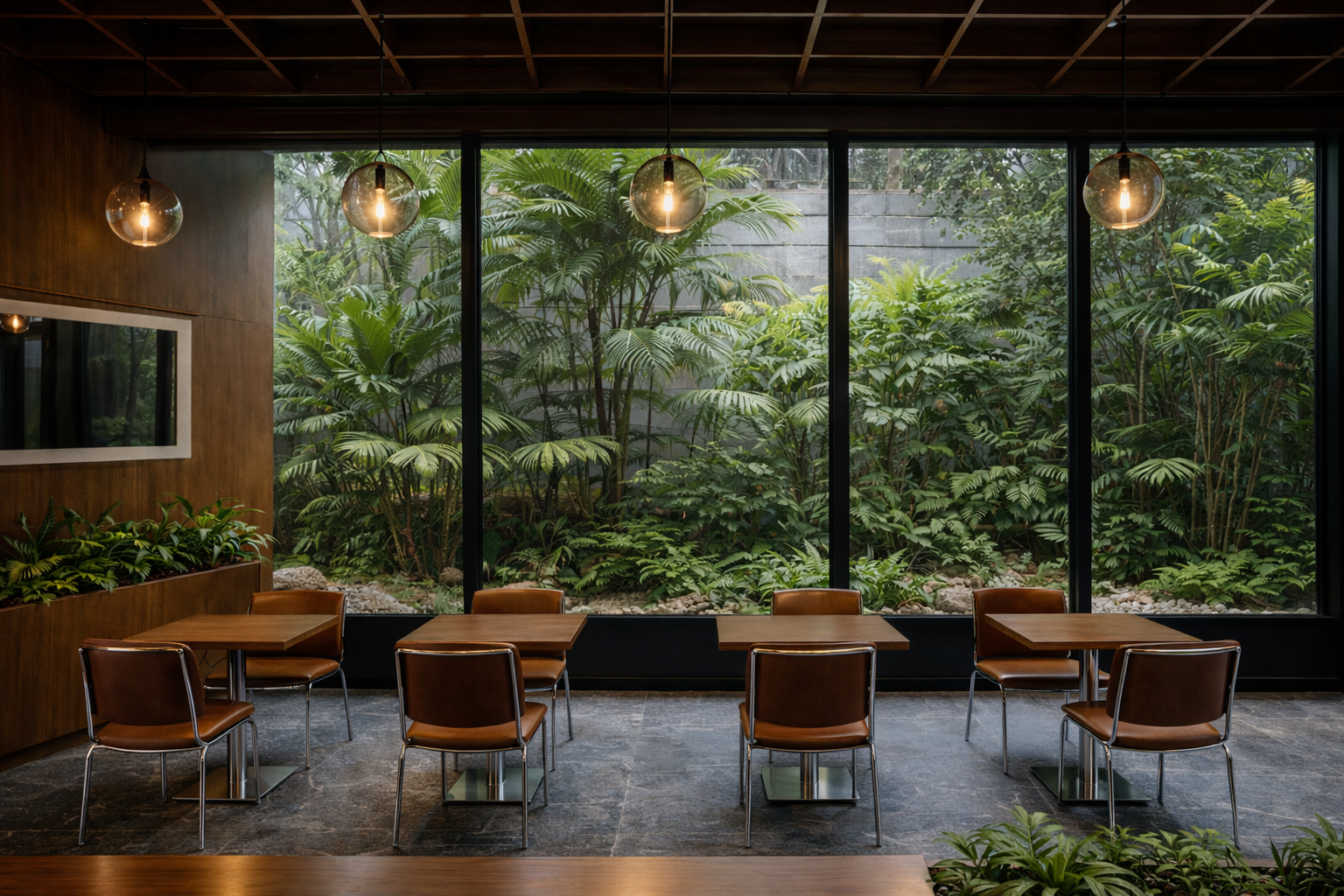
The interior is defined by a continuous dialogue between natural wood surfaces and mineral based textures. Timber elements extend across walls and integrated furnishings, establishing a sense of continuity and depth, while neutral plasters interact softly with light, creating an atmosphere that feels both grounded and luminous. The palette remains deliberately controlled, allowing subtle variations in tone and texture to bring richness without excess.
Custom designed furniture and built in elements are carefully proportioned to the space, reinforcing a cohesive visual identity. Each junction and transition is resolved with precision, reducing visual noise and preserving a sense of clarity throughout. This attention to detail allows the architecture to read as a unified composition rather than a collection of parts.
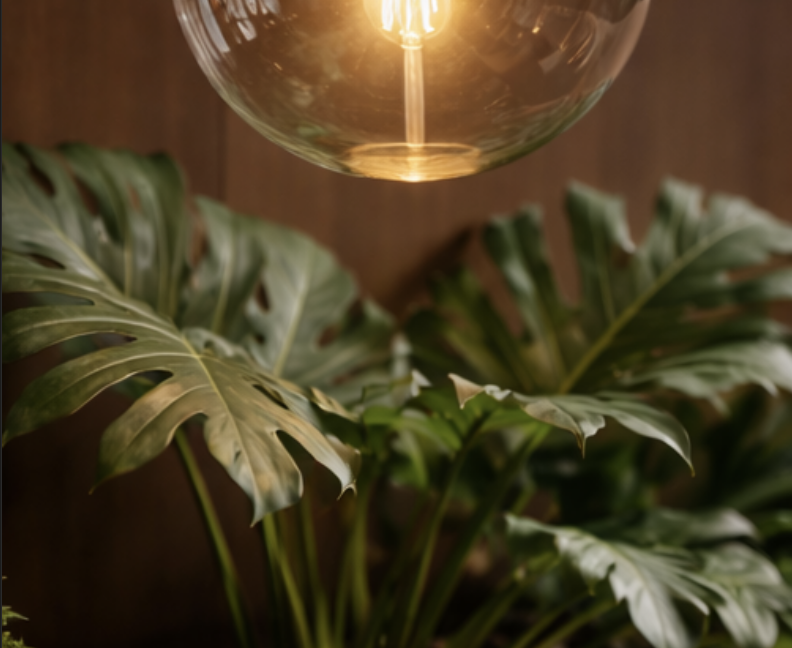
Lighting is approached as an intrinsic spatial layer. Indirect sources and integrated solutions shape a soft, diffused glow that evolves across the day, enhancing the tactile qualities of materials and reinforcing the calmness of the environment. Rather than acting as a focal point, light becomes a medium that reveals form, texture, and depth.
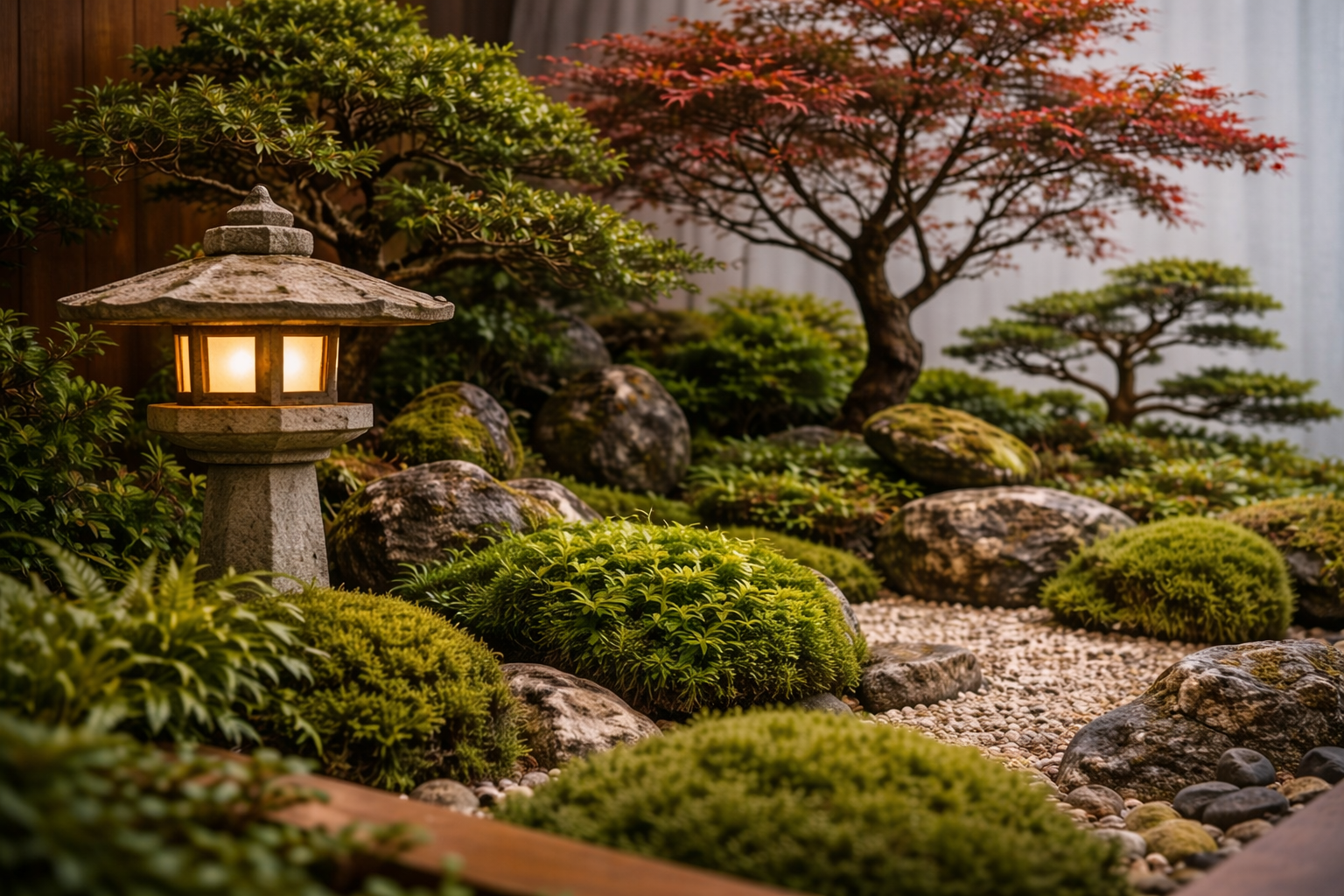
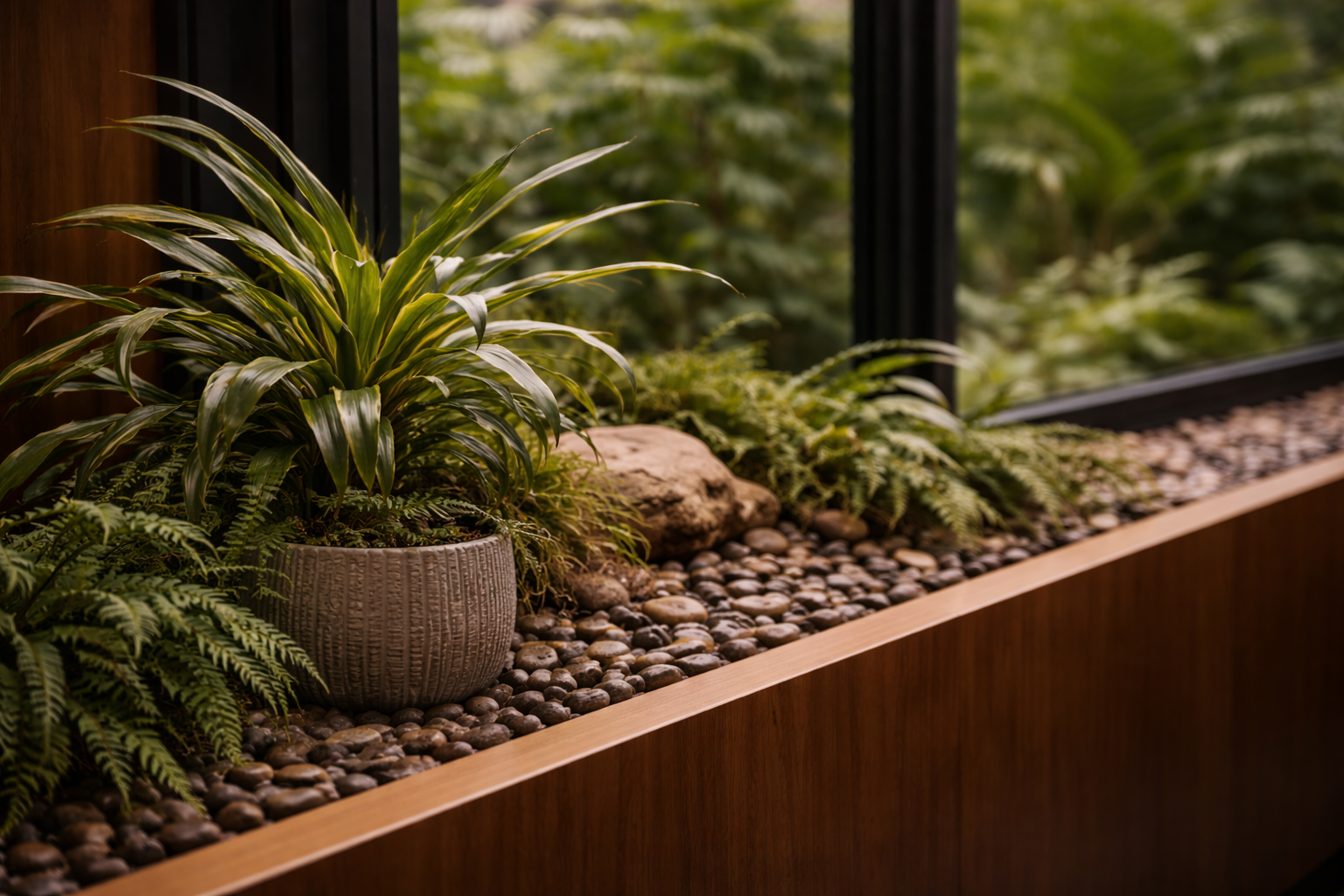
The project subtly draws from a dialogue between Japanese spatial principles and a more organic, tropical sensibility. The composition remains disciplined and minimal, while the introduction of natural elements and filtered light brings a sense of life and softness. This balance avoids stylistic literalism, focusing instead on atmosphere and perception.
Sustainability is embedded within this approach through simplicity and longevity. Passive strategies maximize natural daylight and encourage ventilation, reducing reliance on artificial systems while improving comfort. Light tones and reflective surfaces enhance brightness and spatial perception, contributing to a more efficient and pleasant interior environment.
Material choices prioritize durability, responsible sourcing, and minimal processing. Where possible, local craftsmanship and production chains are considered, while bespoke elements are designed to limit excess and reduce waste. The result is a space conceived to endure over time, both functionally and aesthetically.
Midori House ultimately expresses a form of quiet luxury, where materials, light, and proportion operate in harmony. The project does not seek to impress through excess, but through precision, atmosphere, and a deliberate sense of restraint.