Casa Materia
Rome
2025
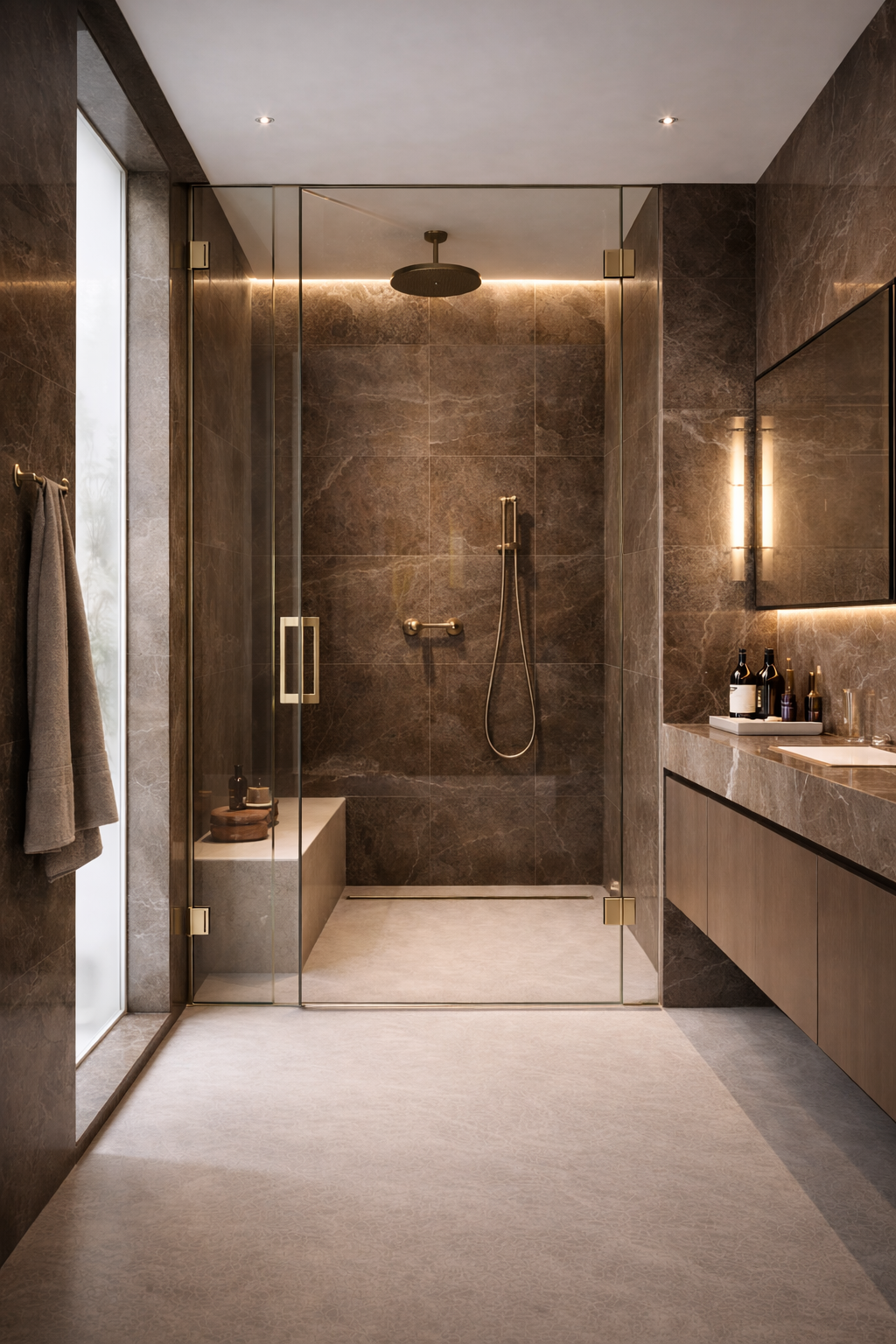
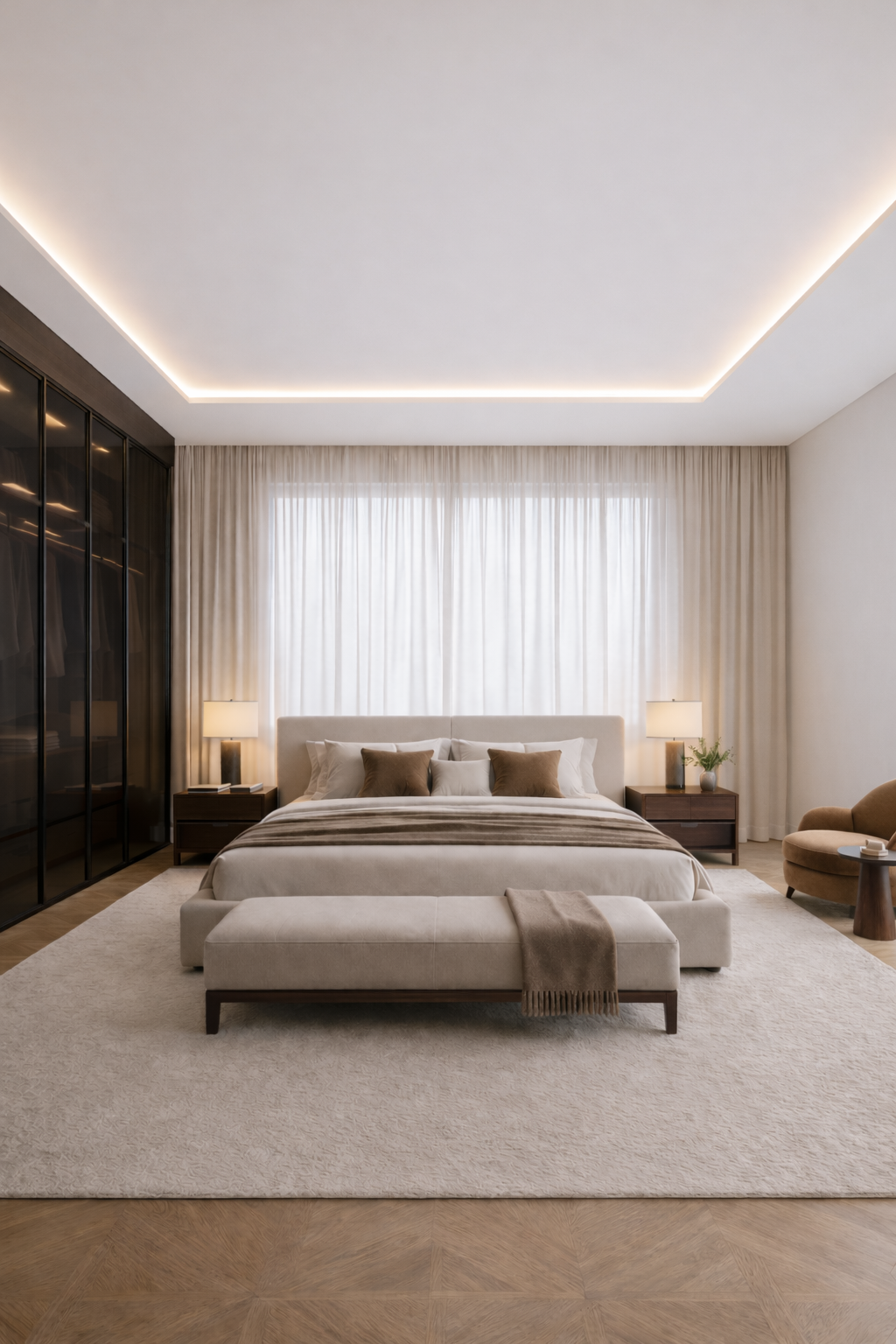
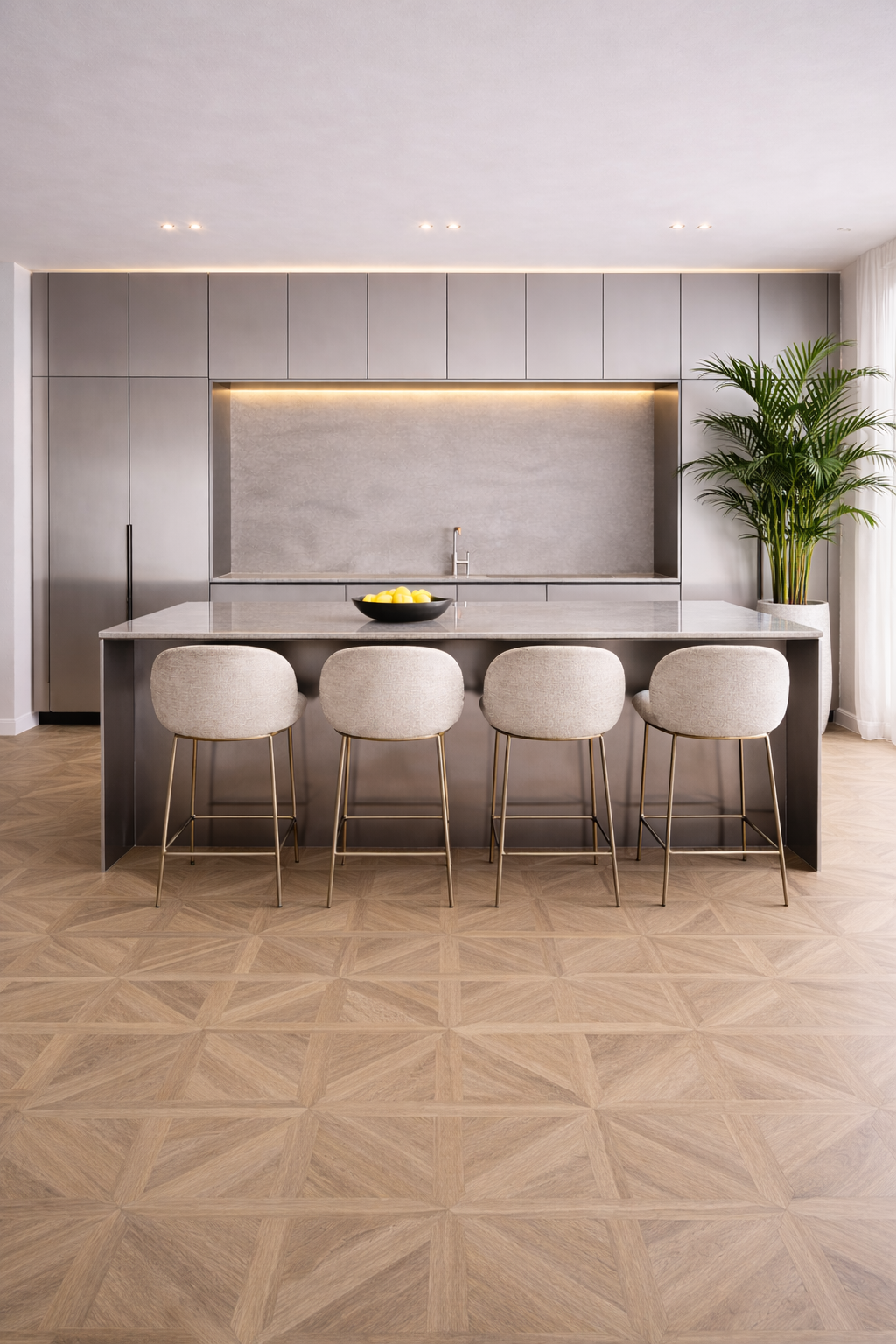
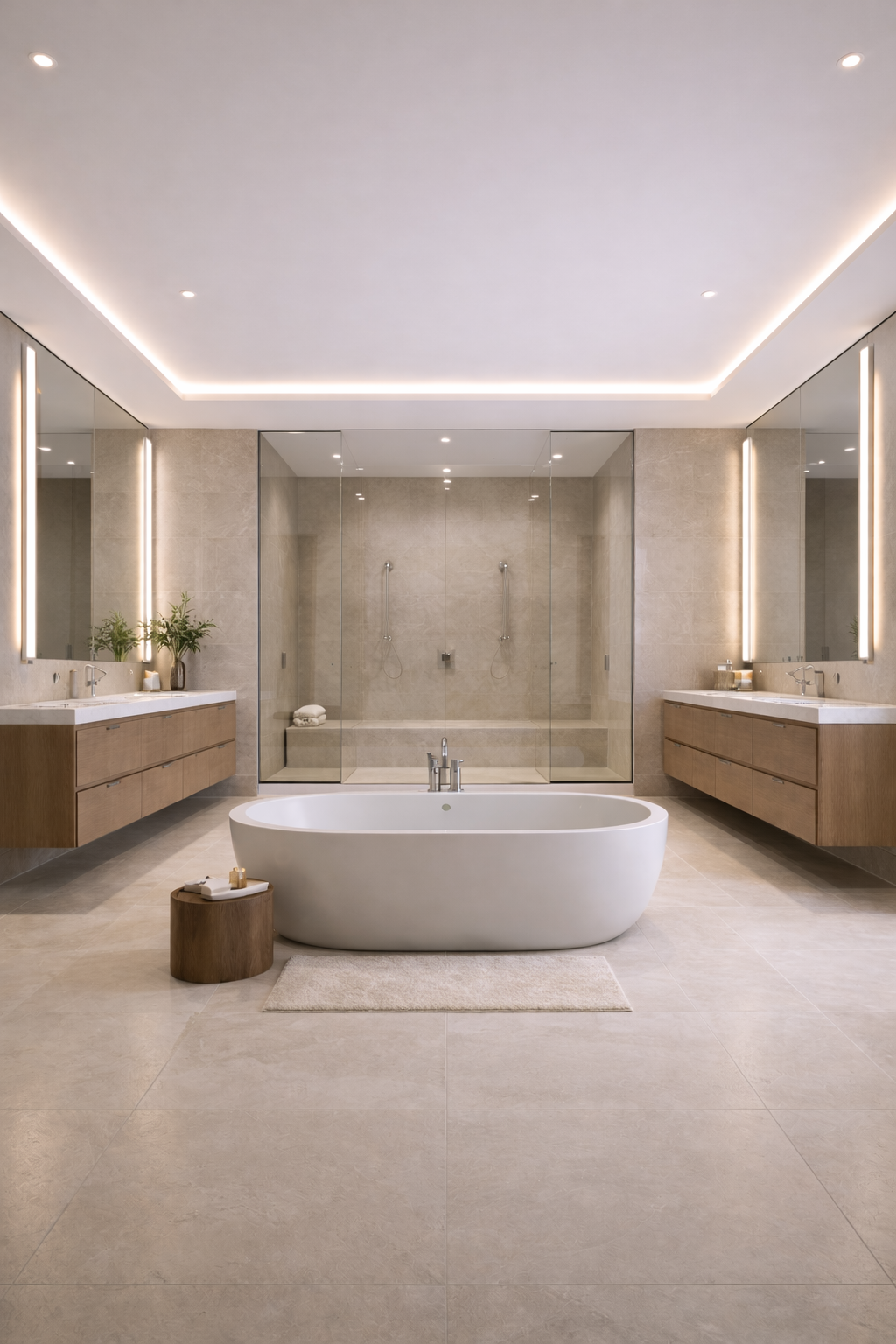
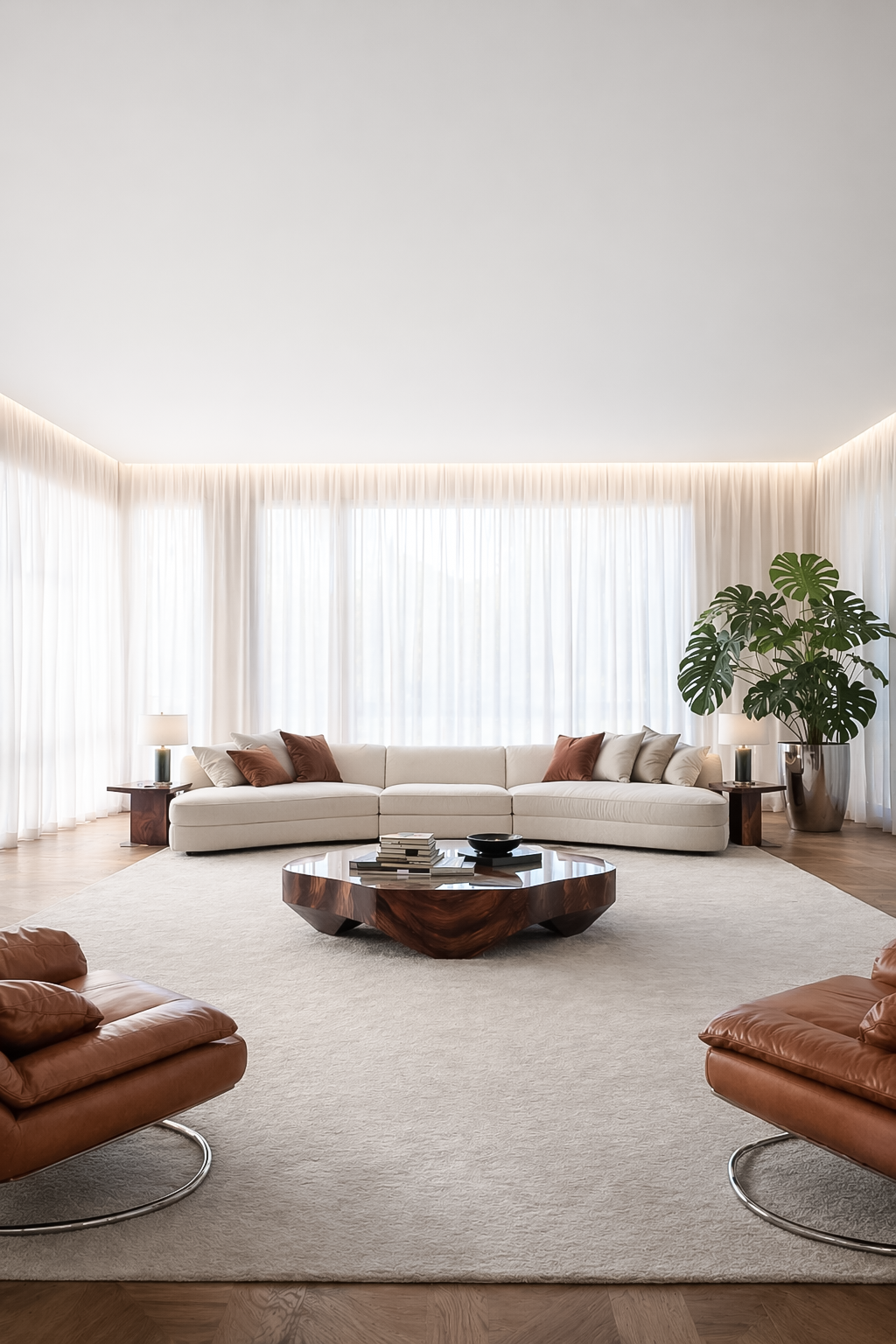
This project is conceived around a clear and intentional idea: to remove rather than add, allowing what remains to fully express its presence. Every element is reduced to its essence, yet approached with an almost obsessive care for materiality, junctions, and tactile perception. Nothing is accidental, and nothing is purely decorative. Each surface, each transition, each detail contributes to a quiet but deeply considered spatial experience.
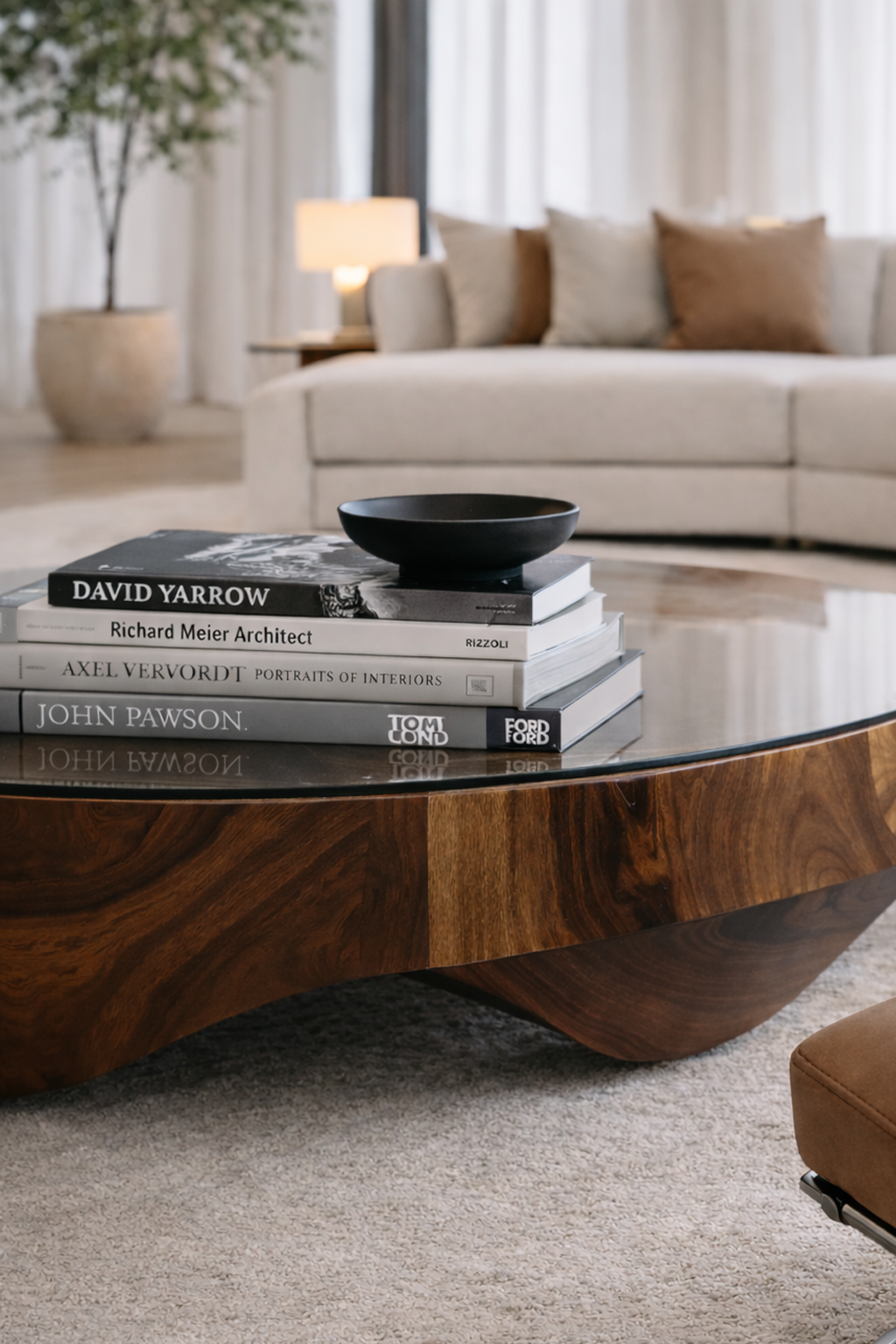
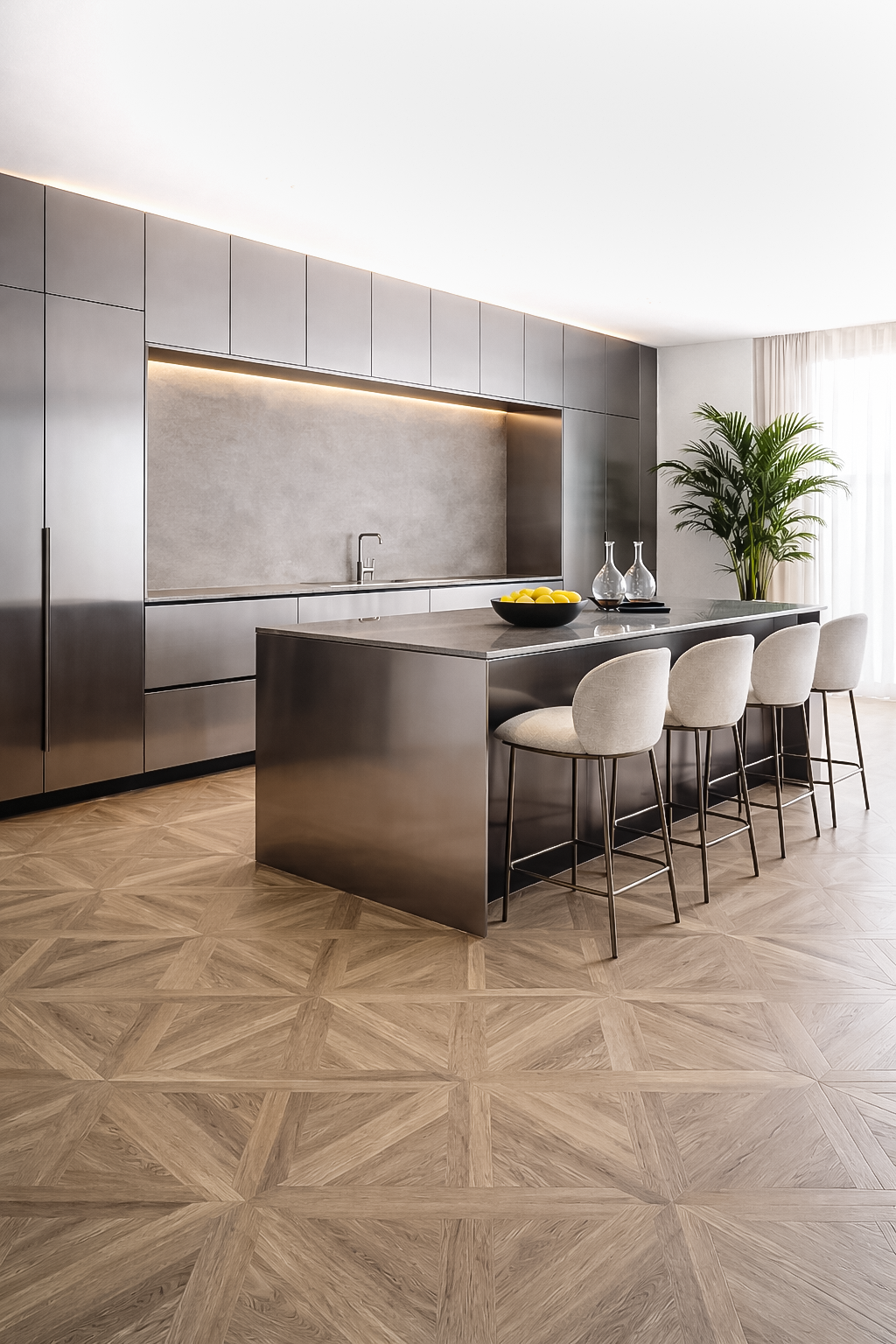
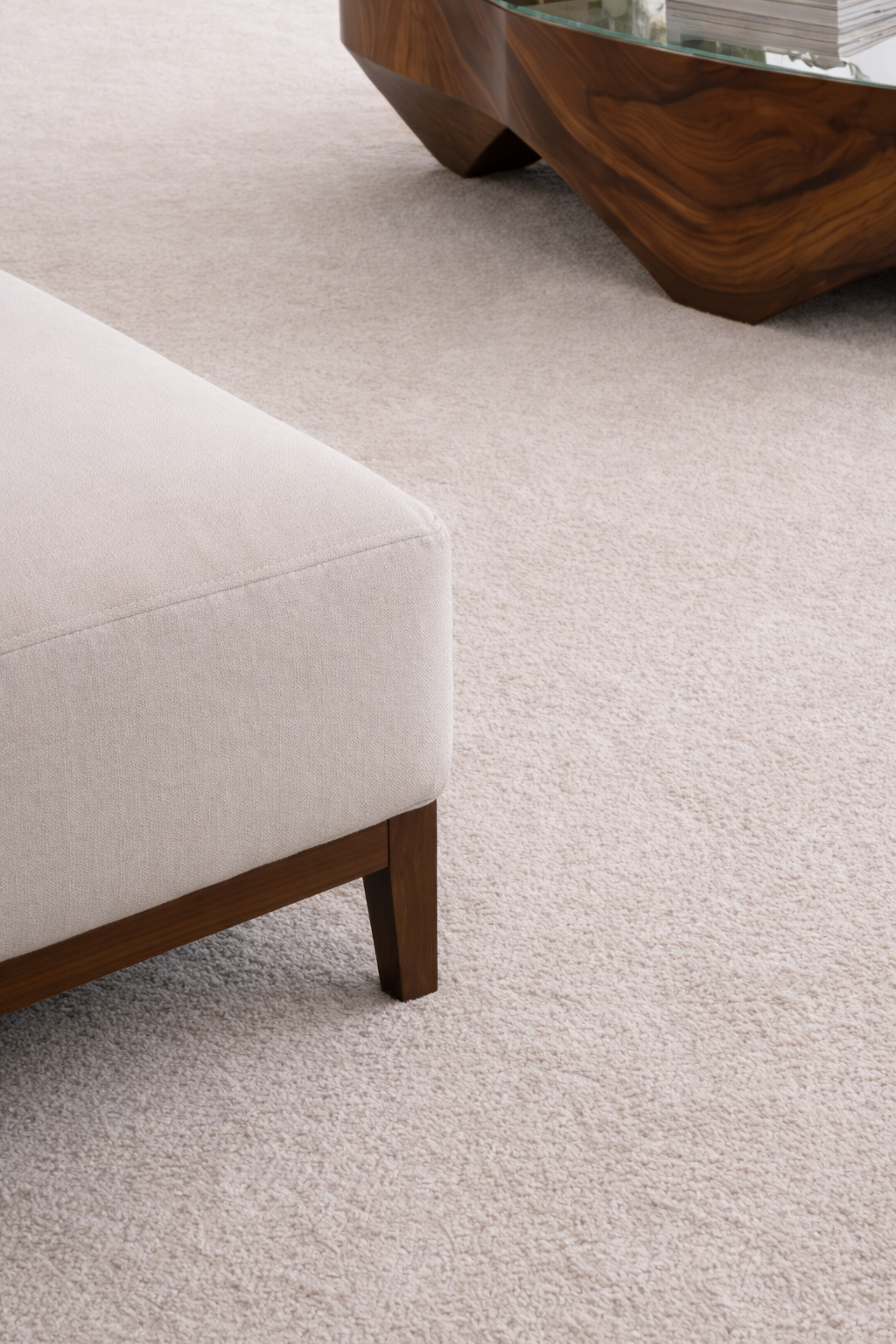
The atmosphere emerges from a delicate balance between softness and precision. Continuous mineral surfaces coexist with warmer, more tactile elements, creating a dialogue that feels both grounded and refined. The introduction of natural wood flooring plays a fundamental role in this equilibrium. Its warmth anchors the space, bringing a sense of familiarity and comfort that contrasts with the more technical, seamless finishes. The grain of the wood, its subtle variations, and its natural depth introduce a layer of quiet richness that cannot be replicated by more industrial materials.
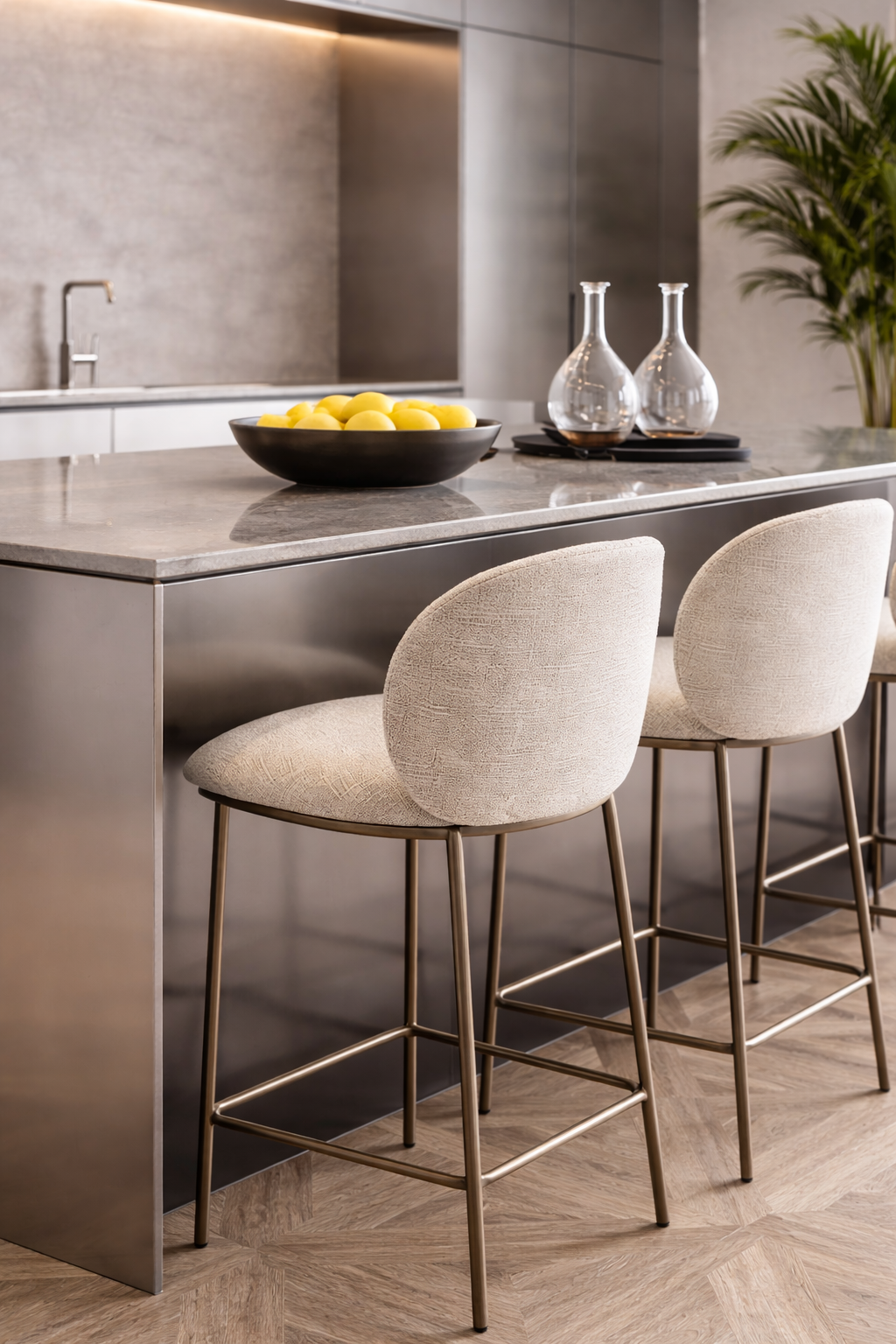
The tonal palette is deliberately restrained, moving within a spectrum of warm neutrals, between soft beige and light grey. These tones are not chosen for neutrality alone, but for their psychological impact. They absorb and diffuse light in a gentle way, reducing visual noise and allowing the eye to rest. The result is a space that feels calm, almost meditative, where perception slows down and attention shifts toward texture, light, and proportion. Rather than stimulating, the environment invites a more introspective experience, creating a sense of ease and continuity.
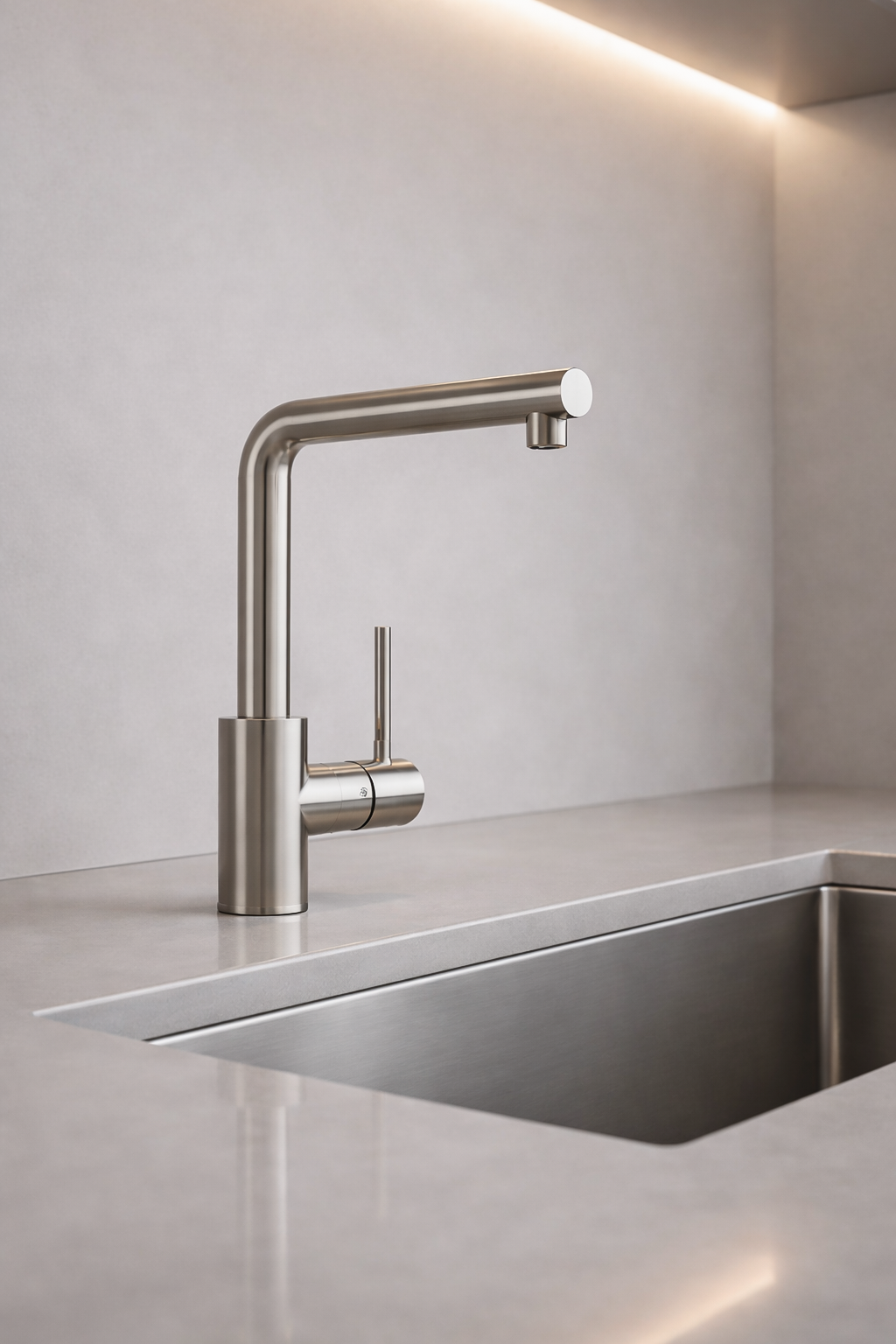
Light plays a crucial role in shaping this perception. As it moves throughout the day, it interacts with the microcement surfaces in a soft and diffused manner, enhancing their velvety quality and revealing subtle variations that would otherwise remain unnoticed. There are no harsh contrasts, only gradual transitions that reinforce the sense of depth and fluidity. The absence of joints further amplifies this effect, allowing surfaces to read as continuous planes rather than fragmented elements.
The architecture itself remains intentionally silent. It does not seek to impose a strong formal identity, but instead acts as a framework that allows materials and light to define the space. This restraint creates a sense of timelessness, where the design does not rely on trends or gestures, but on proportion, balance, and sensory quality.
Ultimately, the project is not about minimalism as an aesthetic, but as a method. A way to strip away the unnecessary in order to heighten perception, to make space for atmosphere, and to create an environment that is not only seen, but deeply felt.
-
![Immagine dello Spazio verde.]()
01
-
![Immagine dello Spazio verde.]()
02
-
![Immagine dello Spazio verde.]()
03
-
![]() Description goes here
Description goes here -
![]() Description goes here
Description goes here -
![]() Description goes here
Description goes here -
![]() Description goes here
Description goes here -
![]() Description goes here
Description goes here -
![]() Description goes here
Description goes here -
![]() Description goes here
Description goes here